The real reason you haven't placed your first vending machine, even after all the research.
It is 11pm. Four tabs open. The King 509. The Ace 779. A spreadsheet you started. One more video about someone turning a smart machine into a thousand a month.
You are not lazy. You have done more homework than most people do before buying a house.
And you still have not bought anything. You tell yourself you are being careful. Smart. You do not want to waste four thousand dollars on the wrong model.
So you open another tab. Compare the screens. The card readers. You will decide once you are sure.
Here is the thing you have not said out loud. You are not stuck on the machine. You have known which machine for weeks.
You are stuck because the day it arrives, you have to walk in somewhere new, find the person in charge, and ask for a spot. That is the part your stomach drops about. Not the machine.
I get it. That was never what stopped me either. Picking a machine is easy. Walking in and asking was not. Cold calling was completely outside my comfort zone.
The machine takes an afternoon. Walking in and asking takes nerve. And nobody sells you nerve on a collection page.
You could keep researching. It feels like progress. It costs nothing. No one can tell you no. That is the slow road. This guide is about the other one. Stay with me.
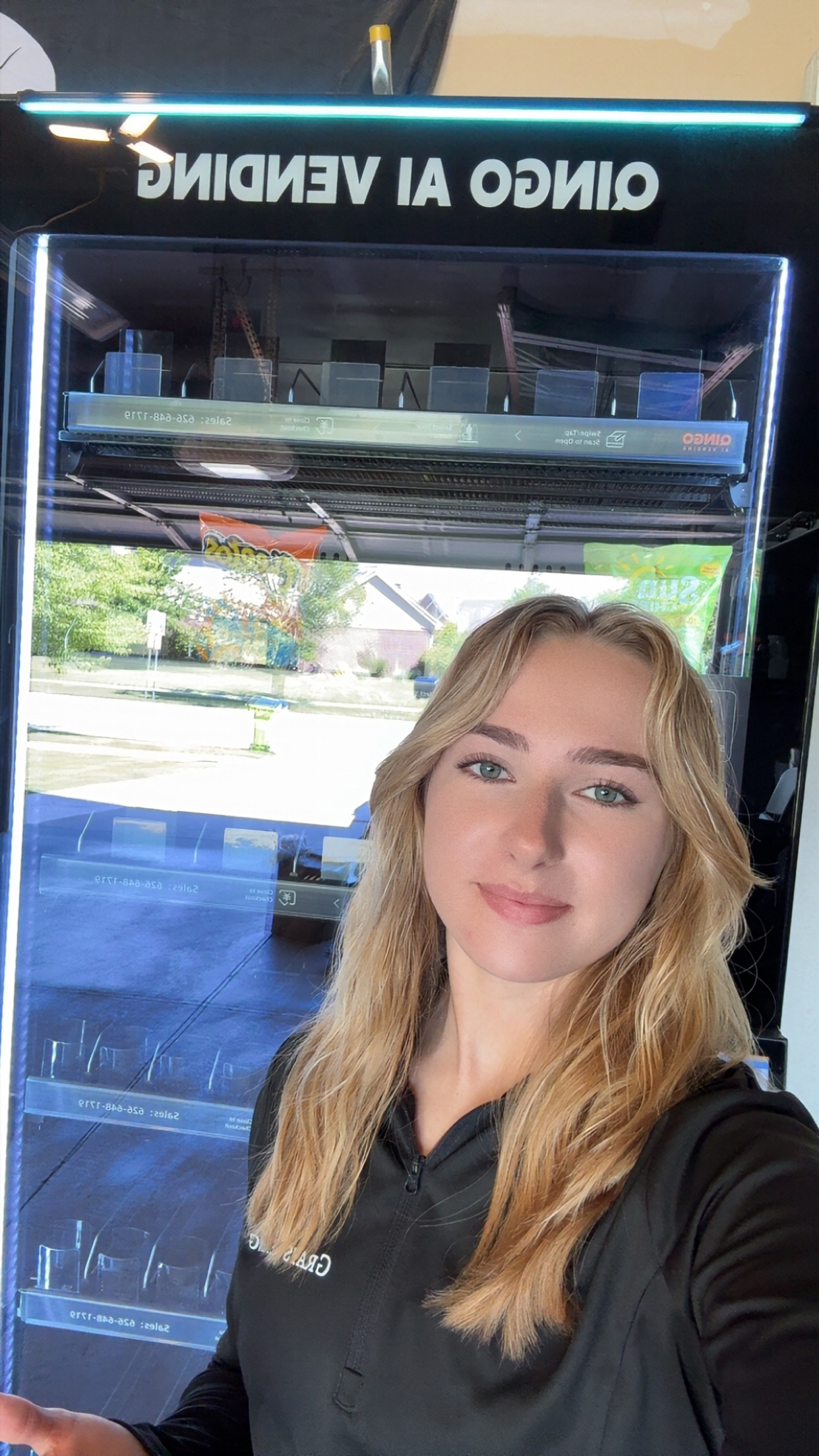
I started this in nursing school, broke, with about thirty thousand dollars in student loans. I still work as a nurse two or three days a week. I am not writing to you from the top of a mountain. I am one floor up from where you are standing, and I can see the stairs behind me.
And here is the part you should know before you trust a word of this. I did not jump in. I spent a full year researching before I bought a single machine. A year.
When I finally moved, I bought a route of four machines for four thousand five hundred dollars. Since 2023 I have run eight machines across seven locations, and I have watched one machine clear over a thousand dollars in a single month.
I have also had a location that made eight hundred dollars a month die on me. So when I say the location is the whole game, it is not a theory I read. It is the thing that has made me money and the thing that has cost me money.
That is all this guide is. Me, handing back the one thing I wish someone had named for me sooner, before all the research that felt like progress but was not.
Look at what you actually ask. What is a good machine to start with. Classic or AI. What does it cost, what is the ROI, what number makes it worth it.
Every one of those is a machine question. Every one of those has an answer you can find in an afternoon.
The questions you do not ask out loud are the ones that matter. How do I find a location. What do I say when I walk in. What if they say no. What if they say yes and I do not know what comes next.
So you stay on the side of the problem that feels safe. Researching a machine feels like work and it cannot reject you. A locked screen never says no. A building manager might.
You are not indecisive. You are not bad with money. You are doing the comfortable half of the work because the uncomfortable half is the half that actually starts the business.
So let me hand you the map. Three parts. You only have to walk through one doorway to stop being a researcher and start being an operator.
Three parts. Every beginner gets stuck on one of them, and it is almost never the machine.
The spots you wrote off were never actually asked.
The short conversation, in person or by phone, that gets you a spot.
One machine, placed, becomes the only proof you ever needed.
It feels like every gym, office and apartment building already has a machine, and the ones that do not must not want one. So every spot looks taken before you have asked a single person. You decided the answer was no without letting anyone say it.
Here is what is actually true. Locations are not discovered like buried treasure. They are asked for. The operators with machines everywhere are not lucky. They asked more buildings than you have.
This part is for you if you have ever driven past a perfect spot and thought "they would never say yes" without slowing down.
Pick one building from your list. Find out the name of the person who decides. That is the entire task. A name turns a spot you wrote off into a real one.
The thing you are most afraid of is the ask, whether you walk in or pick up the phone. You picture yourself fumbling, getting a no, feeling foolish in front of a stranger. So you make it enormous in your head, and an enormous thing is easy to avoid.
The opener is small. It takes about twenty seconds, and it works the same whether you walk in or call. Most of the time the person who decides is not even standing there, so you are really just finding out who to talk to. One honest sentence does it, and I have written it out for you below.
This part is for you if "I am not a salesperson" has been your reason. You do not need to be one. You are not closing anything, you are offering a service and asking one honest question out loud.
"Hi, I'm a local vending operator. I place smart vending machines at no cost to the location, and I stock and take care of everything myself. Who would be the best person for me to talk to about adding one here?"
That is the whole opener, in person or on the phone. Write it on one note card. Say it out loud ten times until it stops sounding like a script and starts sounding like you.
You picture the end state, five machines, a real second income, and the gap between here and there feels so wide you do not start.
The fleet is real, but it is not the goal right now. It is a story you tell yourself to stay frozen, because a fleet is far away and a single phone call is not.
One placed machine changes you more than a hundred hours of research. The fear breaks the day a real manager says yes and you realize you can do the thing you have been avoiding. Everything after that is repetition, not nerve.
This part is for you if you keep planning the empire and skipping the first brick. Jumping before I felt ready is the single thing that has propelled me. Not the planning. The jump.
Name one location and one date. Put both in your phone. A first yes starts as a deadline you gave yourself, not a feeling you waited for.
Here is what smart, careful beginners do. They finally feel brave, so they spend the four thousand dollars on the machine, because that is the part that feels like starting.
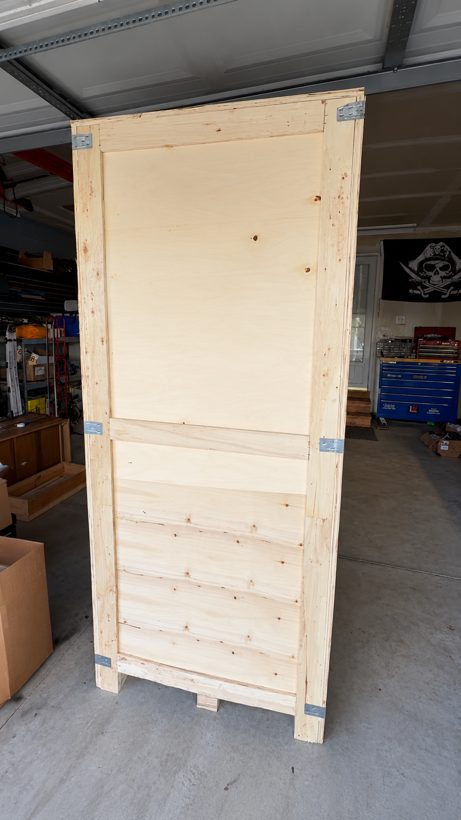
And then the machine sits in the garage while they work up the nerve to find a location. Now the pressure is worse, because the money is gone and the hard part is still ahead.
It happens because the machine is the comfortable purchase and the location is the uncomfortable conversation. Buying feels like progress. It is the most expensive way to keep avoiding the doorway.
The order is backwards. Get the yes first. Get the spot, then buy the machine to fill it. A machine with a home is an asset. A machine in your garage is a four thousand dollar reminder.
This is where the real work begins, and where most people quietly stop.
Think about who you were at the start. Four tabs open, savings untouched, telling yourself you were being careful. You were not careful. You were waiting for a feeling that was never going to come on its own.
Nothing about you changed in these pages except one thing. You stopped believing the machine was the problem. And the moment that belief goes, the doorway shrinks to what it always was: a short conversation you are allowed to have.
You could always do this. You had just never been shown the way in. Now you have.
So before you research one more model, let me ask you something instead.
You just saw the doorway. Now answer a few honest questions about where you are right now, what you have tried, and what is really stopping you.
I am building a program to walk beginners through their first placement, location first. The people who answer get founding access, and founding pricing, when it opens.
Answer a few questions →Be honest with me. The harder the truth, the more it helps me build the right thing for you.